

What we’ve learned, and why it matters.

Are men being left out of depression research?
Knox, J., Morgan, P., Kay-Lambkin, F., Wilson, J., Wallis, K., Mallise, C., Barclay, B. and Young, M., 2023. Male involvement in randomised trials testing psychotherapy or behavioural interventions for depression: a scoping review. Current psychology, 42(34), pp.30322-30337.
Depression affects around 109 million men worldwide, yet men are less likely than women to seek help for their mental health. One reason for this may be that existing treatments simply weren't designed with men in mind.
What we did: We reviewed 110 clinical trials testing psychological and lifestyle-based treatments for depression, published between 2011 and 2021. We wanted to know how many men were actually involved in this research.
What we found: Overall, men made up just 26% of participants across all studies. Nineteen studies recruited women only. Not a single study recruited men only or tested a treatment specifically designed for men. This gap wasn't explained by how studies were designed or delivered. Whether the treatment was face-to-face or online, individual or group, or used a particular therapy approach, men were underrepresented across the board. Despite this, only 14% of studies even acknowledged the lack of men as a limitation.
What it means: Without research that genuinely includes and engages men, we cannot know what treatments work best for them. Men's mental health will continue to be under-prioritised in policy, clinical practice, and funding decisions until the research catches up.

Could outdoor therapy work for men ?
Dickmeyer, A., Smith, J.J., Halpin, S., McMullen, S., Drew, R., Morgan, P., Valkenborghs, S., Kay‐Lambkin, F. and Young, M.D., 2025. Walk‐and‐Talk Therapy Versus Conventional Indoor Therapy for Men With Low Mood: A Randomised Pilot Study. Clinical Psychology & Psychotherapy, 32(1), p.e70035.
Men face real barriers to seeking mental health support, and those barriers don't disappear once they walk through the door. High dropout rates suggest that the way we currently deliver therapy isn't working well enough for many men. This study asked a simple question: could taking therapy outside and on the move make it a better fit?
What we did: We randomly assigned 37 Hunter region men with low mood to either six weekly indoor therapy sessions at a psychology clinic, or the same sessions outdoors, walking a 4km route on the University of Newcastle campus. The therapy and therapists were identical. Only the setting differed.
What we found: Both approaches worked. Attendance, satisfaction, and mood improvements were strong in both groups. Men in the walk-and-talk group showed greater reductions in stress and anxiety, while men in the indoor group showed greater improvements in a form of depression common in men that shows up as anger or risk-taking rather than sadness. Both findings are preliminary.
What it means: Walk-and-talk therapy is a genuine alternative to conventional therapy for men, not a replacement. A larger funded trial is now underway to understand who benefits most from each approach.
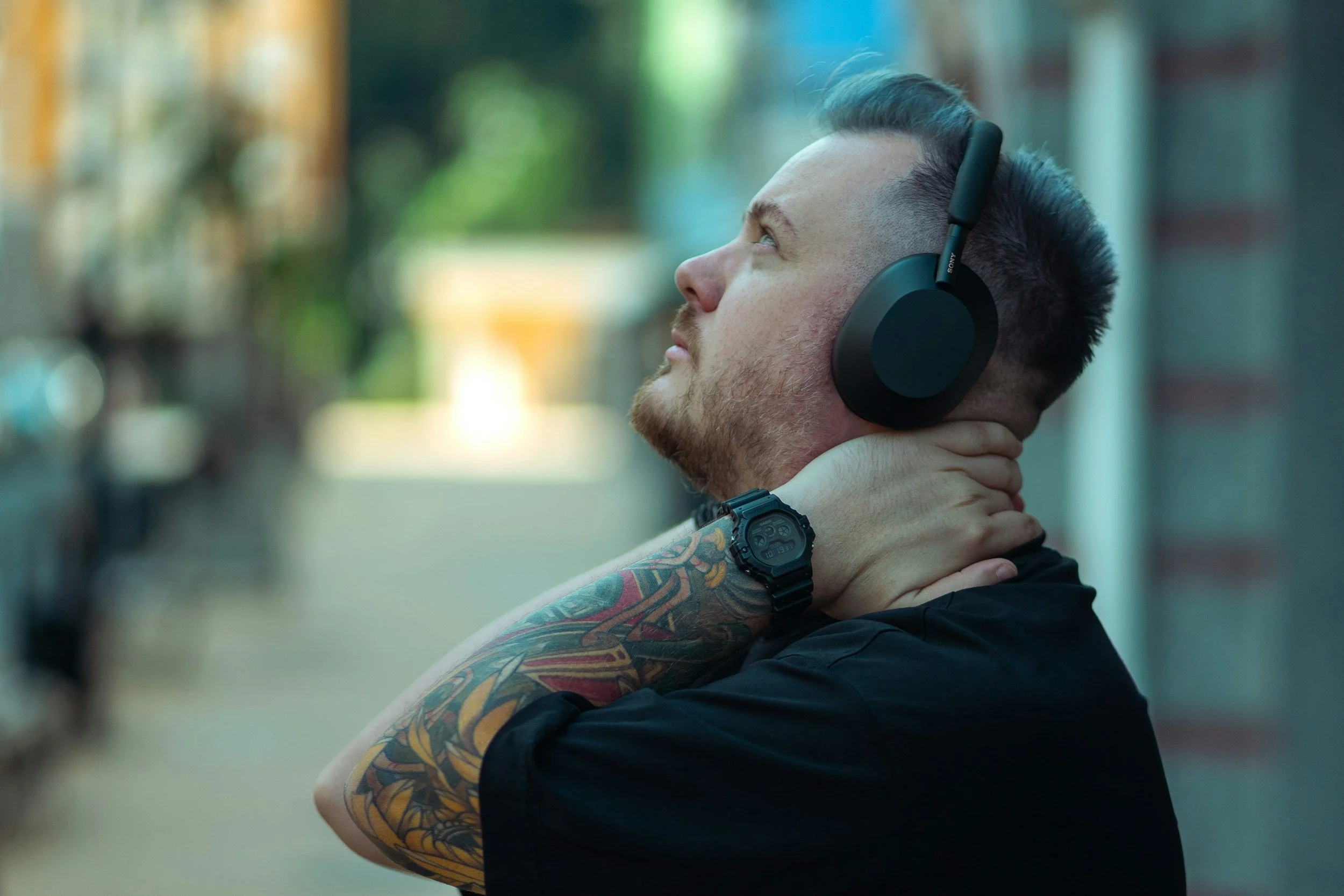
Meeting men where they listen
Dascombe, E.M., Morgan, P.J., Drew, R.J. and Young, M.D., 2026. Meeting Men Where They Listen: Preferences for Podcast‐Delivered Mental Health Support. Mental Illness, 2026(1), p.5510212.
Professional mental health services are essential, but for some men they remain out of reach or simply a bridge too far. Podcasts are already part of millions of men's daily routines. This study asked whether that everyday habit could be harnessed to reach the men that traditional services miss.
What we did: We surveyed 150 Australian men aged 18 to 70 about their podcast listening habits and what they would want from a mental health podcast designed specifically for men.
What we found: Most men were already regular podcast listeners, typically tuning in during everyday activities like commuting, exercise, or household chores. Interest in a men's mental health podcast was high, and increased further among men experiencing greater psychological distress. Men wanted practical, action-oriented content covering coping strategies, mental health literacy, and specific conditions, delivered in an interview style featuring people with lived experience alongside psychologists and researchers.
What it means: Podcasts represent a promising, low-barrier way to reach men who might never walk through a clinic door. These findings are now informing the development of ‘Better Left Said’, our podcast-based mental health intervention for men.
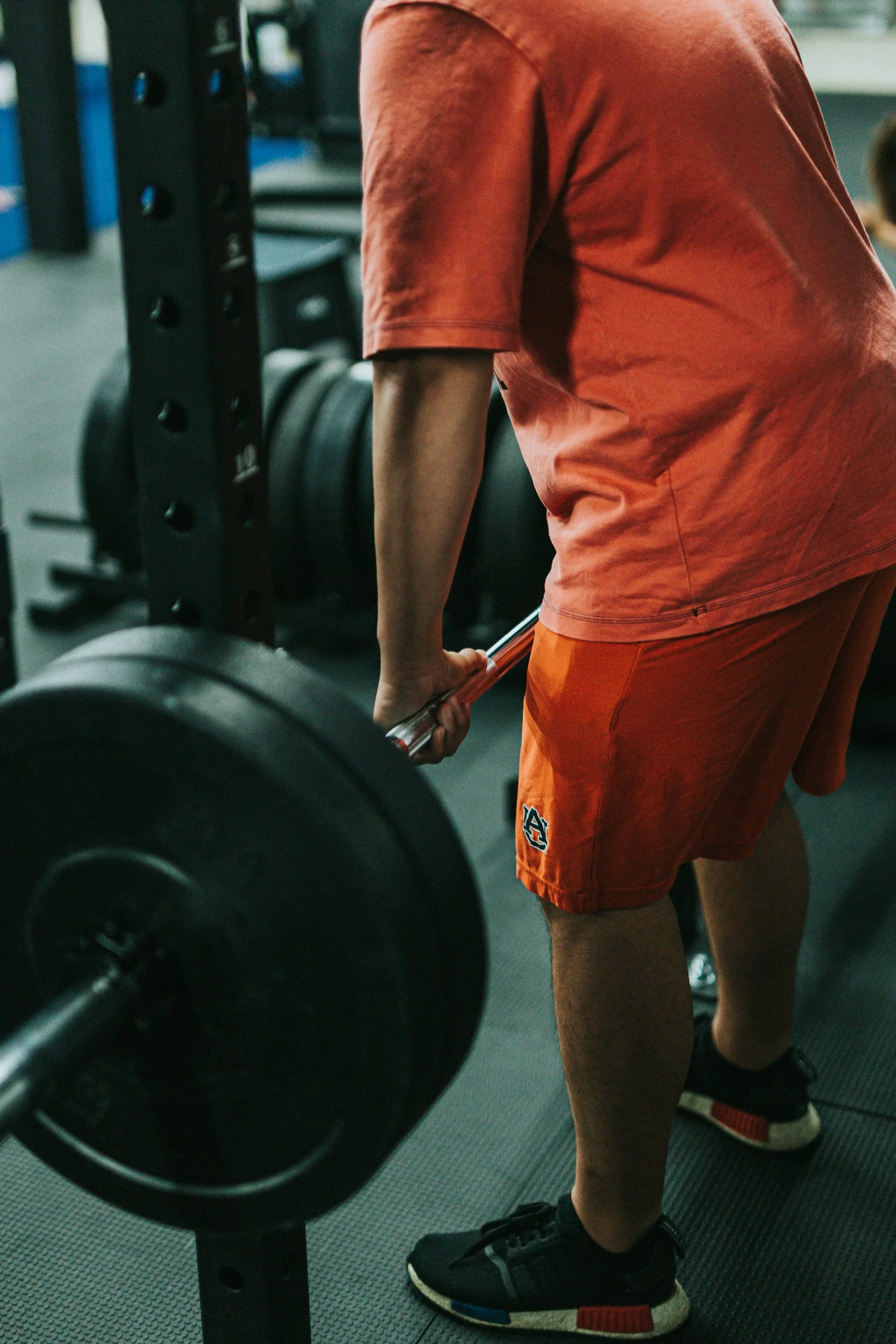
Targeting physical and mental health together
Young, M.D., Drew, R.J., Kay-Lambkin, F., Collins, C.E., Callister, R., Kelly, B.J., Bialek, C. and Morgan, P.J., 2021. Impact of a self-guided, eHealth program targeting weight loss and depression in men: A randomized trial. Journal of Consulting and Clinical Psychology, 89(8), p.682.
For many men, mental and physical health challenges don't arrive separately. However, most programs target one or the other. For men especially, finding support for either can be difficult. This study tested whether a single, self-guided online program could tackle both at once.
What we did: We recruited 125 men from the Hunter region with overweight or obesity and low mood and randomly assigned them to either the SHED-IT: Recharge program or a wait-list control group. The three-month program combined evidence-based weight loss strategies with interactive online modules focused on mental fitness, covering skills like cognitive restructuring, mindfulness, and behavioural activation. It was entirely self-directed, with no appointments or professional contact required.
What we found: Men in the program lost significantly more weight and reported greater reductions in depressive symptoms compared to the control group, with both improvements maintained at six months. Over half of the men in the program achieved a clinically meaningful reduction in depression symptoms, compared to around one in five in the control group.
What it means: A self-guided online program combining physical and mental health support can produce meaningful improvements in men's weight and mood. Programs that address both together, and are designed to suit how men prefer to engage, may be a practical and scalable way to support men who would not otherwise seek help.

Are men also left out of weight loss research?
Regan, C.P., Morgan, P.J., Hardacre, S.L., Wade, L., Pagoto, S.L., Hunt, K., Knox, J.M., Drew, R.J. and Young, M.D., 2026. Men's representation in behavioral weight loss trials: A systematic review. Obesity Reviews, e70170.
Men face higher risks for obesity-related diseases like type 2 diabetes and heart disease, yet they've long been underrepresented in the research meant to help them lose weight. This review asked how far that gap has closed since it was first flagged over a decade ago.
What we did: We reviewed 257 randomised trials of behavioural weight loss interventions, published between 2010 and 2022, involving over 57k participants. We looked at how many participants were men, whether certain trial characteristics were linked to higher or lower participation by men, and how often researchers acknowledged it when men were underrepresented.
What we found: Men made up just 30% of participants overall, barely different from the 27% reported in a similar review of trials conducted between 1999 and 2009. Women-only studies outnumbered men-only studies four to one. Men were significantly more likely to take part in trials recruiting people with a co-occurring physical health condition, and in trials conducted outside the US, where participation was notably higher than in US-based trials. Still, three in four mixed-gender trials had too few men participants, and only a third of those studies flagged it as a limitation.
What it means: 25 years on, men remain a minority in the evidence base behind behavioural weight loss programs, and this gap is going largely unacknowledged in the literature. Better recruitment into existing programs will help, but real progress will likely require codesigning weight loss interventions with men from the ground up.